
In later years, you used to wrestle with that clunky website on your phone. Nostalgic, innit. Moreover, have you ever wondered what makes cool websites? Well, mate, those days are over! In today's digital age, if your website isn't mobile-first, sorry but it is stuck in the Stone Age.
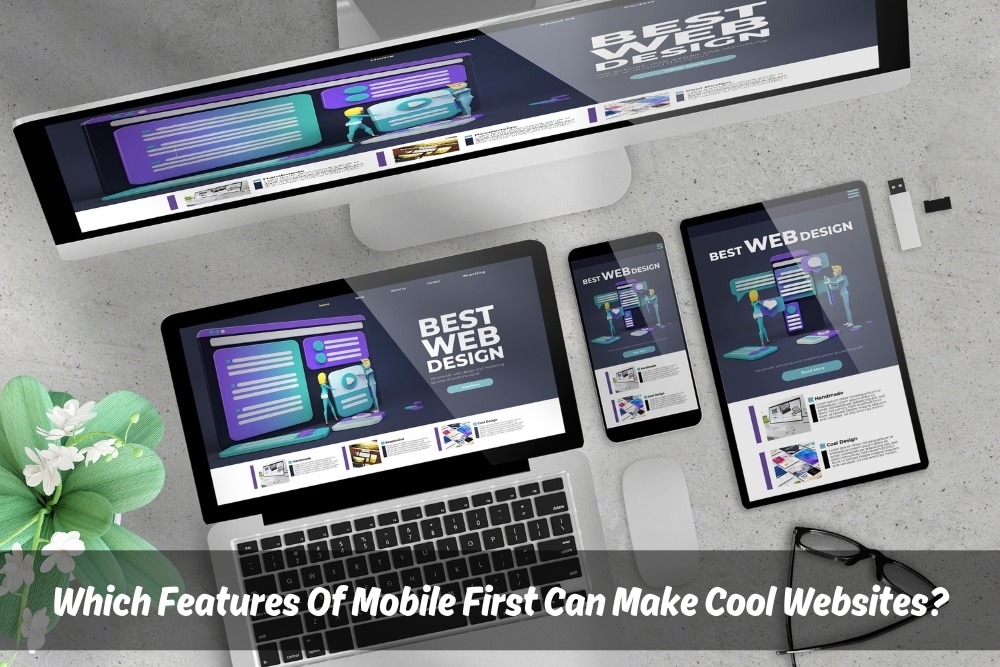
Buckle up, because you're about to dive into the features that make a mobile-first king (or queen) of the web design jungle.
Shouldn't all cool websites be built with mobile in mind?
Think about how often you whip out your device to browse the web these days. Globally, the majority of people have their own smartphones, tablets, laptops, and other gadgets you can think of. Here's the thing mate, your phone is your go-to for everything, from checking emails to finding that scrumptious new ramen joint.
Actually, over half of all web traffic now comes from phones. Amazing right? That's a massive chunk of potential customers you could be missing out on if your website looks like it belongs on a flip phone or worse 2000s. This new website design and trend ensures your website looks stellar and works flawlessly, no matter what gadget your visitors are rocking.

What makes cool websites fly in the mobile first age?
It's a nightmare if the webpage you currently navigate on your phone is still stuck in the middle ages. However, these things are designed to prioritise user experience or UX by putting your visitors' needs front and centre. Here is how:
- Finding stuff in a flash: Imagine that someone stumbles on your website while searching for a plumber on their phone. These cool websites use clear menus, sensible layouts, and a prominent search bar so users can find what they need in mere seconds. No more endless scrolling or needing a magnifying glass to read the text.
- Buttons you can actually tap: Fiddling with icons that are the size of a grain of rice is the ultimate frustration on a phone – admit it. However, these kinds of websites make sure icons are big enough for even the clumsiest thumbs. This might seem like a small detail, but it makes a huge difference in keeping visitors happy, especially with those big thumbs.
Are mobile first websites faster than traditional sites?
Speed is crucial these days in the field of web pages, especially on gadgets. Even the coolest ones can hit a snag sometimes, especially during peak hours. You be left wondering why your website might slow down, but this idea can help you avoid impatient users. Well, these new ones are built to be lightweight and load lightning quickly, keeping visitors happy and engaged. This is a win not just for UX, but also for SEO (search engine optimisation) – and Google loves this kind of websites and rewards them with higher search rankings.
But before anything else, you also need to know the time frame when it needs updates. Here are some tips:
- Check your webpage: See if it is stuck in the slow lane or takes forever to load on gadgets.
- Observe navigation: Monitor the user's navigation to see if they can easily steer your website on their smartphones.
- Upgrade your page: If it is slow and delayed, this indicates that it needs an upgrade for a device feature.
This is a paramount task to boost your website and business for better traffic and income.

How does mobile first design benefit SEO?
A magic formula that gets your website climbing the search engine ladder, is the wonderful search engine optimisation or SEO. It is the superhero of websites. Why? Because it is equal to higher search rankings (maybe even world domination – Just kidding!) Bear in mind fellow enthusiasts that Google showers smartphone-friendly websites with love. When you prioritise progressive enhancement features, you're basically telling search engines that you are built for the modern user. This can provide you a serious advantage when it comes to ranking in search results, leading to more organic traffic and potential customers. It's a win-win situation and a good digital strategy for your business website!
Can mobile first websites pull smartphone features?
Devices have a whole arsenal of attributes that only a traditional desktop webpage can dream of. New ones like this can tap into these features to create a unique and interactive experience. The click-to-call feature is one example, it makes contact a breeze. To illustrate, a potential customer finds your webpage while searching for a local mechanic on their phone. With this kind of aspect, they can connect with you instantly – no need to hunt for your phone number or type it out manually. This seamless experience makes it easier than ever for clients to reach you, boosting conversions.
Are these cool websites easier and cheaper to maintain?
Here's a bonus perk: These can actually be effortless and affordable to maintain in the long run, making them a pretty good investment for your business. With a single, responsive design that adapts to different screen sizes, you don't need to manage separate websites for desktop and other gadget. This translates to less time and money spent on updates and maintenance—more time for you to focus on running your commerce!
Ready to make cooler websites?
This trend is not only for aesthetics but also an investment if you want your business to be known, boosted, user-friendly accessible. These cool features will free you from that clanky website to present-day chic!
Your mobile-first web design squad
Is the site not zooming on device or having problems with SEO? Check out our e-commerce web design services, and ditch the meltdown for a makeover!
Nifty Marketing Australia web design experts specialise in crafting cool, websites that look fantastic and deliver exceptional user experiences. We'll help you create a smartphone-friendly website that is as fast as lightning, easy to navigate, and a conversation machine.
Ready to ditch your ancient ones and join the mobile-first revolution? Let us help you create a website that's not just cool, but made for any device. Contact us today for a free quotation and consultation!