
What Makes the Best Logistics Website Design?

The best logistics website design today is defined by how well it balances visual clarity, technical performance, and user intent. Logistics businesses face stiff competition, and a generic online presence won’t cut it anymore. Customers need fast answers, streamlined experiences, and strong visual cues to build trust from the first click. If your website is slow, cluttered, or hard to navigate, you risk losing leads before they even read your services. This article explores what separates an average logistics site from a high-performing, conversion-driven one.
Why do logistics websites struggle with user engagement?
Logistics websites struggle with user engagement primarily because their interfaces and structures are often misaligned with user expectations and industry demands. When navigation, design, or content fails to provide immediate clarity, visitors lose patience and bounce. Here are the most common engagement barriers in logistics websites:
- Overloaded homepages that drown visitors in dense blocks of information instead of guiding them clearly to solutions.
- Inconsistent navigation menus that shift across pages or offer unclear labels making it hard to find key information.
- Non-intuitive mobile layouts that don’t adapt well to different screen sizes, slowing down mobile browsing.
- Lack of clear CTAs (calls-to-action) leaves visitors unsure of the next step in the conversion process.
Even when services are high-quality, these friction points can quietly sabotage user confidence. Keeping things simple and user-led can reduce bounce rates and improve first impressions. Effective engagement design doesn’t mean flashiness — it means helping users get what they need fast and friction-free.
What challenges make logistics websites harder to navigate?
Logistics websites are harder to navigate when design and layout decisions ignore the daily needs of their users. The logistics industry works on precision and timing — so should the digital experience. Here are the key layout and structure issues that impact usability:
- Overuse of jargon that alienates everyday customers who may not understand technical transport terms.
- Deep click paths that require multiple clicks just to find basic service information or contact details.
- Low contrast typography and colours that cause eye strain and make scanning difficult, especially on mobile.
- Static location-based information that fails to automatically adjust based on a user’s location or time zone.
Navigation is not just about menus; it’s the entire flow a visitor takes through your site. Users expect to locate, compare, and act — quickly. Many companies now focus on improving layouts by prioritising clean design to improve visitor engagement across devices.
How can poor website content limit customer trust?
Poor website content limits customer trust by creating doubt — not only about your services, but your professionalism. In logistics, where reliability and timing are essential, vague or outdated content can be damaging. Here are the major content-related trust killers:

- Unclear service descriptions that fail to explain what sets your logistics offering apart or who it’s for.
- Lack of team or company detail makes your operation feel faceless or uncertain to a first-time visitor.
- Missing testimonials or case studies, which are often key in validating a business’s credibility in a trust-sensitive industry.
- Grammar errors or inconsistent tone, which subconsciously signal a lack of professionalism or attention to detail.
Strong website content should mirror the dependability you offer in your logistics services. Visitors judge what they can’t see — and content is their lens. A secure site structure also matters, which is why many logistics companies are learning about strategies for keeping business websites more secure.
What Improvements Can the Best Logistics Website Design Deliver?
The best logistics website design delivers measurable improvements in usability, branding, and lead generation. It transforms online interactions from transactional to strategic — making your digital presence an asset, not an afterthought. Here are the design upgrades that drive performance:
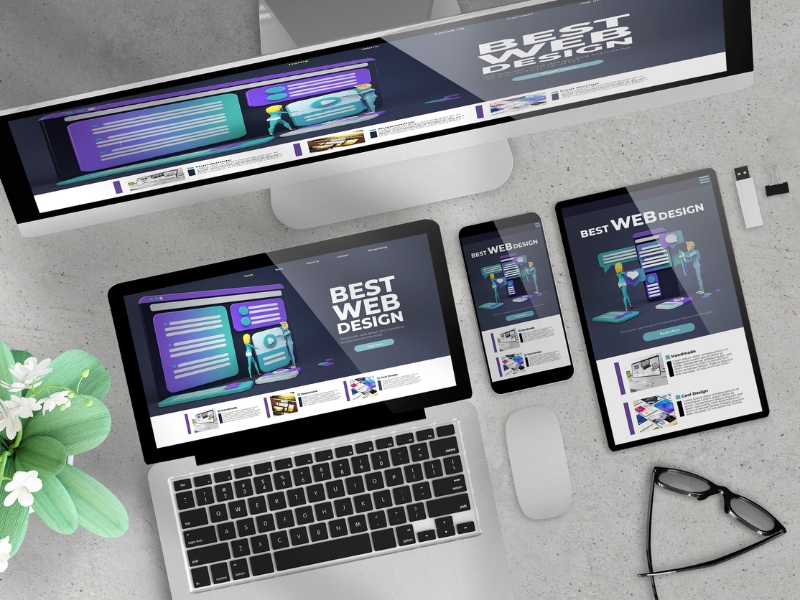
- Responsive layouts that scale seamlessly across desktops, tablets, and smartphones without compromising load speed.
- Service-focused landing pages that match user intent and provide clear next steps — book, quote, or enquire.
- Custom-built backend structures that enable easier updates, stronger SEO, and future scalability.
- Visual cues and graphics that speed up understanding, especially for technical or multi-step logistics services.
Here’s how tailored design elements improve a logistics website’s performance:
| Feature | User Benefit |
| Custom navigation menus | Faster info access; fewer user drop-offs |
| Interactive location maps | Clearer logistics zones & reach |
| Live quote tools | Quicker decision-making for freight clients |
| Optimised load speeds | Better mobile performance and SEO rankings |
When design is done with intent, logistics companies stand out instead of blending in. If your site isn’t generating leads or reflecting your strengths, it might be time to explore tailored web design solutions built specifically for logistics businesses. A well-built platform isn’t an upgrade — it’s a necessity.
Which design practices improve conversions on logistics websites?
Design practices that improve conversions in transport websites are those that reduce decision fatigue and guide visitors toward specific actions. It’s not just about being pretty — it’s about being clear, confident, and consistent. Here are the most conversion-focused design principles:
- Sticky navigation headers that keep the user oriented and provide instant access to quotes, contact, or services.
- Hero sections with simplified messaging, showing exactly who you serve and how in 10 seconds or less.
- Strategic use of whitespace prevents overwhelming layouts and highlights your main selling points.
- Built-in tracking tools that monitor click behaviour and help optimise pages based on real usage data.
Every element must lead to something — not distract from it. A user-friendly design ensures visitors don’t just browse; they act. Conversions improve when your content and design support your message — like the importance of responsive design for conversions.
Why Is Custom Website Design Vital for Logistics Companies?
Custom website design is vital for logistics companies because no two businesses offer the same routes, services, or value. Templates don’t reflect your unique operations — and that’s a dealbreaker for informed clients. Here are the benefits of custom builds in the logistics sector:
- Precise service segmentation, which allows clear categorisation by freight type, destination, or speed.
- Integrated tracking tools, like GPS-based shipment updates or dynamic ETAs for clients.
- Third-party platform integrations, such as CRMs or warehouse systems, that update in real-time.
- Unique branding and UX, ensuring you don’t look like every other company using the same cookie-cutter layout.
Clients are more likely to convert when your site clearly aligns with their specific needs. A tailored approach isn’t luxurious anymore — it’s essential.
Final thoughts on building the best logistics website design
Building the best logistics website design requires strategy, not just aesthetics. Your website should perform like your operations: fast, precise, and client-ready. That means eliminating design friction, communicating your strengths upfront, and supporting the journey from visitor to client. If you want your logistics business to lead the pack online, discover how Nifty Websites Australia improves digital presence. A smart design isn’t just about looks — it’s about trust, clarity, and results.