
What Defines the Best Website for Architecture Today?
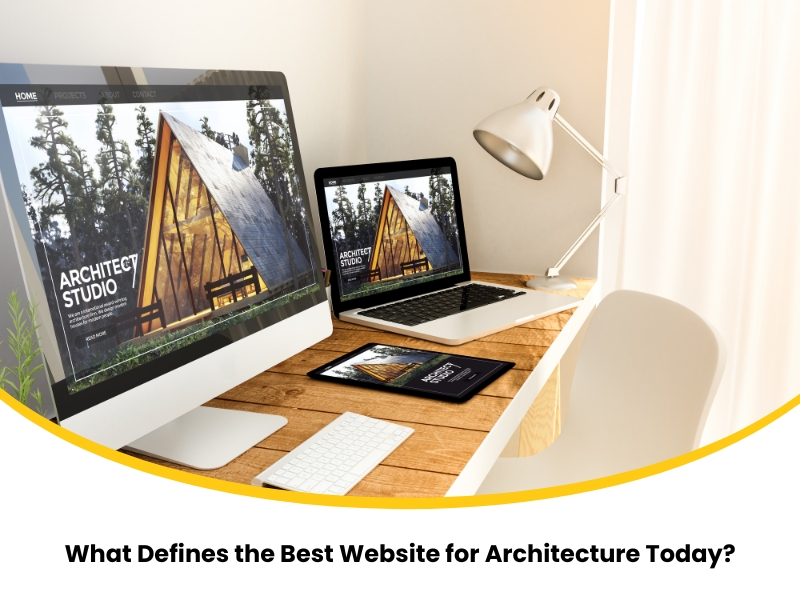
Creating the best architecture website design is not just about looks. It’s about balancing aesthetics with usability, making sure potential clients can connect with your work while also trusting your expertise. Architects often face unique challenges when translating their craft to the web. A website has to communicate both technical skill and creative vision, which isn’t always straightforward.
When you think about how clients choose an architect, it usually starts online. They’re browsing portfolios, comparing styles, and making snap judgments in seconds. If your site is confusing or hard to navigate, you risk losing that attention before your work is even seen. At the same time, an over-designed website that looks great but loads slowly can turn away prospects.
That tension between beauty and function is what makes this space tricky. However, there are proven ways to overcome these hurdles. By addressing common design pitfalls, showcasing portfolios properly, and adding trust-building elements like clear logos and examples, you can shape a site that works hard for your practice.
Why do architects struggle with website design online?
Architects often excel at designing physical spaces but find online design an entirely different beast. The skills don’t always translate.
- Complex visuals can make sites heavy and slow.
- Some rely too much on niche design jargon.
- Others underestimate how short online attention spans are.
The problem isn’t that architects can’t design. It’s that online audiences expect clarity, not complexity. You need to frame architectural design in a way that’s easy to digest digitally. This disconnect is why so many architect websites end up looking good but performing poorly. When users can’t find contact details, project categories, or service information quickly, frustration builds. That’s where even the most stylish site falls short.
Midway through, it becomes clear: digital design needs a slightly different mindset. It’s about serving your audience first. And that’s where the best architecture website design shines—combining sleek visuals with intuitive flow.
What common issues affect an architect’s website performance?
Even with stunning visuals, websites can still fail. Performance problems are often the silent deal-breakers.
- Slow load times can make visitors bounce immediately.
- Non-responsive layouts frustrate mobile users.
- Clunky menus confuse visitors and reduce inquiries.
Research shows that a page taking longer than three seconds to load loses almost half its visitors. That’s a massive chunk of potential projects slipping through your fingers.
Below is a quick breakdown of performance pain points for architecture websites:
The good news? Each of these can be solved. Often, tweaking site speed, simplifying navigation, and streamlining contact options transform performance overnight. For more practical strategies, you can explore how architects can get more clients online.
How do architecture websites fail to showcase portfolios effectively?
For most architects, the portfolio is the crown jewel. Yet, many websites under-deliver when it comes to displaying projects.
- Overcomplicated galleries make users give up.
- Small thumbnails don’t show details.
- PDFs or downloads create unnecessary steps.
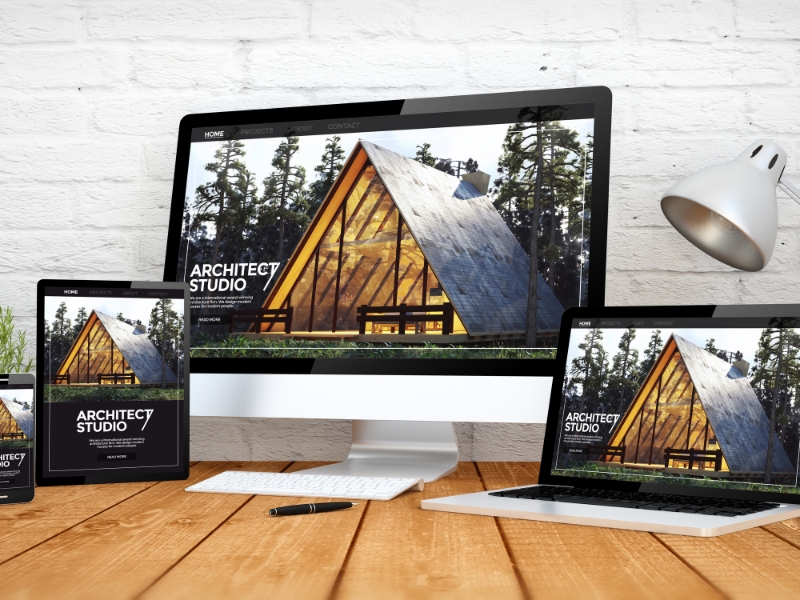
The biggest mistake? Assuming clients will dig for information. They won’t. If your portfolio isn’t instantly visible and easy to explore, you’re losing trust. Instead, think in terms of storytelling. Arrange projects in a way that highlights range and depth. Pair images with short, plain-English descriptions. Showcase different styles, scales, and client briefs. The goal is to create flow, not clutter. Visitors should be able to scroll through projects naturally and come away with a sense of your identity. To see more practical strategies, explore examples of architectural design portfolios.
What features make websites for architects more engaging?
An engaging architecture site doesn’t just display; it involves the user. The strongest websites balance form and function.
- Interactive galleries create an immersive experience.
- Clear service pages highlight expertise.
- Blog sections build authority and visibility.
One overlooked feature is micro-interactions. Subtle animations or hover effects make a site feel alive, without being overwhelming. At the same time, accessibility should never be forgotten. Alt text, readable fonts, and contrast-friendly colours matter. An engaging site can also guide users to take action. A logical flow—portfolio to services to contact—creates a natural journey. Ignoring this flow is a missed opportunity for conversion. Done well, websites for architects not only showcase but also educate and connect. This blend builds long-term trust.
Why are architectural design portfolio examples vital for trust?
Trust is everything in the architecture industry. Clients invest heavily and need confidence that you can deliver. A well-structured portfolio does more than show skills—it proves credibility.
- Detailed case studies add depth.
- Before-and-after visuals tell a story.
- Client testimonials reinforce confidence.
These examples serve as your digital handshake. They reassure clients that you can handle their project, no matter the complexity. Without them, your website may look good but feel empty. What’s striking is that many architects still underplay their case studies. Skipping this step creates doubt, which can cost projects. A lack of transparency reduces credibility fast. The strongest sites combine visual evidence with supporting detail. In a competitive field, this can be the deciding factor.
How do architectural websites benefit from clear logos?
Logos are often underestimated on architecture websites. Yet, they carry serious weight in branding and trust.
- A clear logo makes you instantly recognisable.
- It signals professionalism at a glance.
- It creates consistency across digital and print touchpoints.
Confusing logos, on the other hand, can undo credibility. Clients may question whether your practice is reliable. That’s why clarity matters more than complexity. Strong architectural logos work in multiple formats—from signage to websites. They need to scale well, look clean in black and white, and remain legible on mobile devices. For additional insights, official resources like how to design a business website explain how branding supports digital visibility.
Final thoughts on defining the best website for architecture today
At the end of the day, defining the best website for architecture means striking a balance. It’s about creating a digital space that reflects both your creative eye and practical approach.
The problems—poor navigation, clunky portfolios, slow speed—are fixable. The agitation—lost clients, missed trust, low visibility—shows why this matters. The solutions—clear storytelling, strong logos, smart features—give you the edge.
If you’re aiming to refine your architect website, remember: clarity builds trust, and trust wins projects. For tailored guidance, you can access support resources from Nifty Websites Australia.