
How Does the Best Website Builder for Food Trucks Solve Issues?
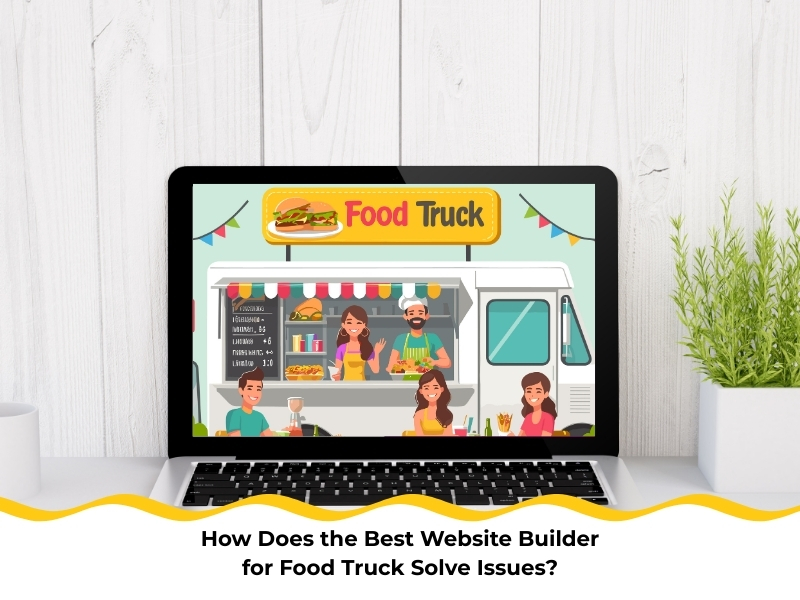
A well-built food truck website fixes design flaws, menu confusion, and mobile access problems that commonly drive away potential customers. Is your food truck website driving customers away before they even taste your food? It might be. A messy layout, slow loading, or menus that confuse could be the culprits. In today’s fast-paced mobile world, design isn’t just about looks — it’s about function, clarity, and trust. Using the best website builder for food truck operators isn’t just smart — it’s essential. This article breaks down what’s going wrong, why it hurts your business, and how the right builder can turn things around.
Why do food truck owners lose customers to poor website design?
Customers quickly leave websites that are hard to read, slow to load, or lack the trust signals needed to feel confident ordering. Your menu might be mouth-watering, but a poorly designed website hides it. Here are the silent reasons why customers walk:
- No first-impression punch: A cluttered homepage loses trust fast. A clean layout can immediately signal professionalism.
- Confusing paths: Visitors can’t tell where to tap or swipe. Friction in flow stops sales cold.
- Missing trust signals: No reviews, no social links, or outdated info make your business feel dodgy. Legitimacy vanishes in seconds.
- Lack of visuals: No food images means nothing to tempt them with. Images make or break the desire to order.
A design overhaul pays off — both in sales and reputation. You’ll also find key ideas in how a food truck website can increase sales growth, especially when you align visuals with usability.
What problems do food truck websites face without the best website builder?
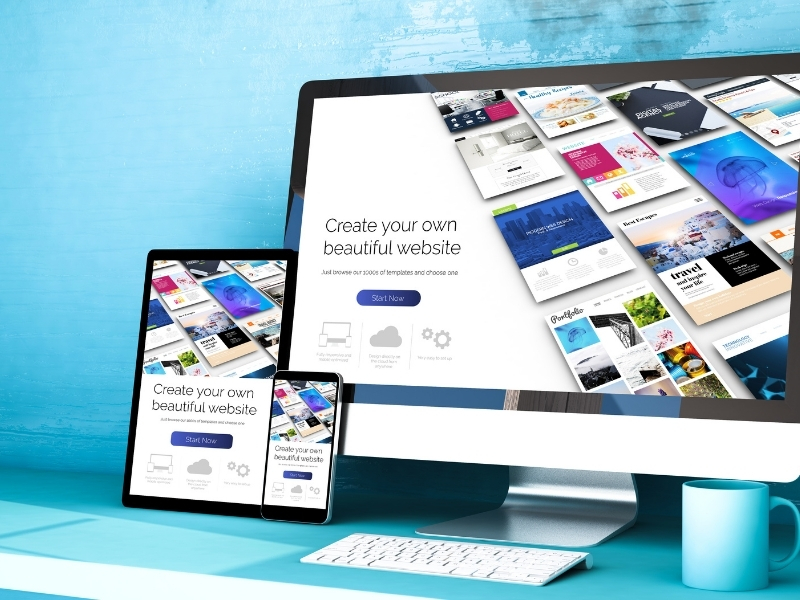
Without the right tools, food truck websites often suffer from poor layout, mobile incompatibility, and confusing navigation, which harm the customer experience. Food trucks rely on fast, clear communication — and a website should support that. But many don’t. Here are the most common issues caused by low-quality builders:
- Outdated templates: They don’t reflect the vibe or branding of your truck. Your unique food style deserves more than a generic layout.
- Slow loading speeds: High-resolution images with no compression stall the site. This leads to impatient users backing out fast.
- Clunky navigation: Customers can’t find your menu, hours, or location quickly. Without clarity, hungry visitors lose interest.
- Not mobile-ready: Phones make up most traffic — if it’s not mobile-friendly, it’s broken. Glitchy mobile views leave a poor impression instantly.
Poor responsiveness loses foot traffic, and it’s a silent killer for small food businesses. To avoid these traps, consider trusted website designs for food truck businesses that are built specifically for mobile browsing, offer visual clarity, and facilitate ease of updates.
How can ignoring the right website tools hurt your food truck business?
Choosing ineffective website tools leads to time wastage, unnecessary costs, and missed opportunities for visibility and customer engagement. Over time, ignoring good tools becomes a costly choice. Here are the typical setbacks:
- Manual headaches: Updating your menu or location takes too long.
- Costs stack up: Every fix requires calling a developer.
- Missed events: Without real-time updates, you can’t join new markets or meet pop-up demands.
- Lack of integration: Online ordering or payment isn’t possible.
These aren’t just tech issues — they affect your bottom line. An intelligent system saves time and keeps your site as fresh as your menu.
Here’s a quick table showing how builder choice impacts daily operations:
| Website Feature | Generic Builders | Purpose-Built Builder |
| Menu Editing | Manual, slow | Live updates anytime |
| Mobile Optimisation | Hit or miss | Built-in responsiveness |
| Social Integration | Limited or paid add-on | Fully integrated |
| Online Ordering | Third-party plugins | Seamless and direct |
| Real-Time Location | Not supported | Embedded with maps/tracking |
What common website issues do food truck owners struggle with?
Common website issues include low readability, inconsistent branding, weak SEO structure, and a lack of mobile responsiveness. Even fundamental design problems can cost you customers. Here are the repeat offenders:
- Bad legibility: Tiny fonts and low contrast frustrate users.
- SEO blind spots: No meta tags, no structured layout, no rankings.
- Mismatched branding: Inconsistent colours and awkward layouts lose cohesion.
- No mobile support: Most searches are mobile — if it fails there, it fails everywhere.
You can combat these by following easy-to-read food truck menu design best practices. A precise menu flow builds trust and helps customers make decisions more quickly.
How does the best website builder for food truck menus prevent customer confusion?
The right builder creates menu layouts that are easy to browse, visually clear, and designed for fast updates and mobile use. Menus aren’t just for food — they’re for function too. Here are the key features your builder needs:
- Clear structure: Starters, mains, drinks — in order.
- Image support: Each dish should be visually appealing.
- Allergen callouts: Mark vegetarian, vegan, and gluten-free options.
- Live editing: Menus should update in real time.
If customers can’t read or trust your menu, they won’t order. Clean menus don’t just look nice — they convert better.
How can mobile-friendly design improve food truck websites?
Mobile-friendly websites help food trucks attract nearby customers, improve search visibility, and provide a smoother ordering experience on the go. When people are standing in a queue or searching “food near me,” mobile design is everything. Here are the reasons it matters:
- Speed counts: Faster mobile sites rank better on search engines.
- Tap-friendly: Menus and buttons should be sized for thumbs, not mice.
- GPS integration: Auto-open maps or location pins for walk-ins.
- Simple order flow: Keep cart and payment steps minimal.
Align this with mobile food business compliance in Australia to ensure everything from hygiene to digital orders follows regulation. Great mobile UX leads to more orders, more reviews, and happier customers.
Final thoughts
Using effective website design and tools ensures food truck businesses stay connected with customers and remain competitive in local markets.
Modern food trucks thrive not just on good food, but on smart technology. With the right builder, your site becomes your best team member — updating menus, guiding customers, and driving sales. Keep in mind, aligning design with readability, mobile use, and real-time updates turns browsers into buyers. If you’re still unsure where to begin, get real-world tips from Nifty Websites Australia for support that meets your goals and pace.