

Whether your site sells products or simply outlines services, poor design can stall conversions. Slow loading pages, confusing layout, and inconsistent mobile display often turn curious visitors into drop‑offs. Custom website development can tackle these hurdles with tailored design, optimised performance, and seamless user flow. This article explores how a bespoke site built around your audience can improve conversions through better usability and stronger trust in your brand.
What stops many websites from converting effectively today?
Many websites fall short on conversions because they create friction rather than clarity for visitors. Here are the common barriers web users face:
- Slow-loading pages often delay content, causing visitors to leave before seeing offers or calls to action.
- A cluttered or confusing layout makes it hard for users to know what to do next, so they abandon the site.
- Poor mobile display or unresponsive elements frustrate smartphone users, who give up rather than scroll or zoom.
- Generic design and weak branding fail to evoke trust or authority, reducing willingness to engage or purchase.
- Hidden navigation or unclear menus make users hunt for information — they usually bounce instead.
When these issues stack up, you end up with frustrating bounce rates and waste the traffic you worked hard to attract.
Why do template sites fall short compared to custom website development?
Template sites often look decent out of the box, but they rarely align with the unique needs of your visitors. Custom website development offers tailored design and functionality that templates can’t match. Here are the limitations of template solutions:
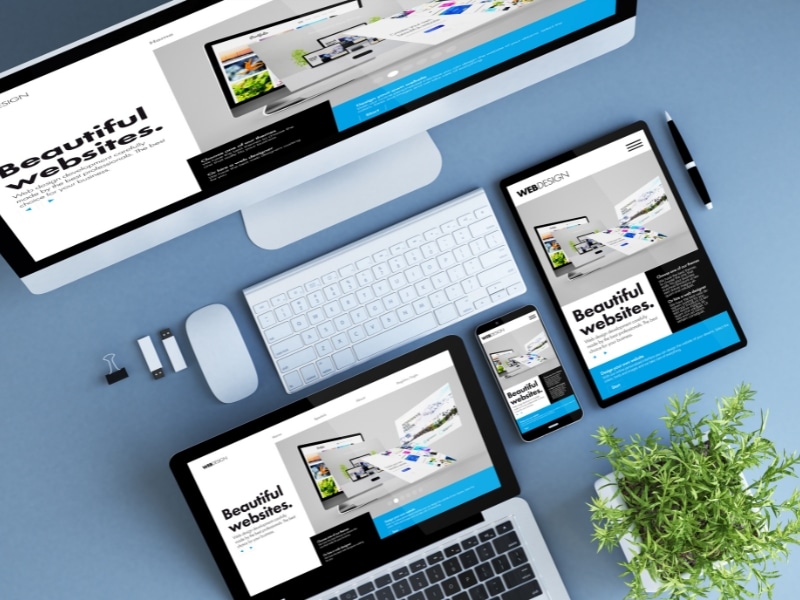
- Standard templates often carry unnecessary code and unused features, making pages heavier and slower to load.
- Templates lack flexibility — you might not adjust layout, colours, or navigation to suit your brand or audience preferences.
- Because many sites use the same templates, your website may feel generic rather than distinctive, weakening brand presence.
- Template-based designs might not integrate smoothly with third‑party tools, plugins or payment gateways you need for your business.
- Template updates sometimes break layout or features, requiring fixes that drain time and dilute user confidence.
Template sites can lead to sluggish user experience and miss out on punchy first impressions that convert visitors into customers. You’ll likely find better long-term performance by focusing on improving custom design performance rather than trying to tweak a pre-built layout into something it’s not designed to do.
How do slow, unoptimised layouts frustrate potential customers?
When layout or technical performance falters, visitors often give up before engaging. Custom website development helps remedy that with thoughtful structure and speed optimisations. Here are the typical frustrations caused by unoptimised sites:
- Images that aren’t compressed drag down loading speed and make pages feel laggy for users.
- Complex scripts and unnecessary plugins increase load times and may cause layout shifts as pages load.
- Poorly structured content can confuse readers, especially when important information hides below the fold.
- Unclear calls to action or dangling links make it hard for visitors to know how to proceed — they often click away.
Addressing these issues ensures faster load times, which directly impacts user patience and engagement. Sites built with professional web development services are more likely to load quickly, remain visually consistent, and deliver smoother functionality across browsers and devices.
How can custom website development improve mobile responsiveness?
A responsive site moulds itself to whatever device a visitor uses — desktop, tablet or phone. Custom website development empowers this adaptability more thoroughly than templates ever can. Here are the mobile‑focused advantages that come with a custom build:
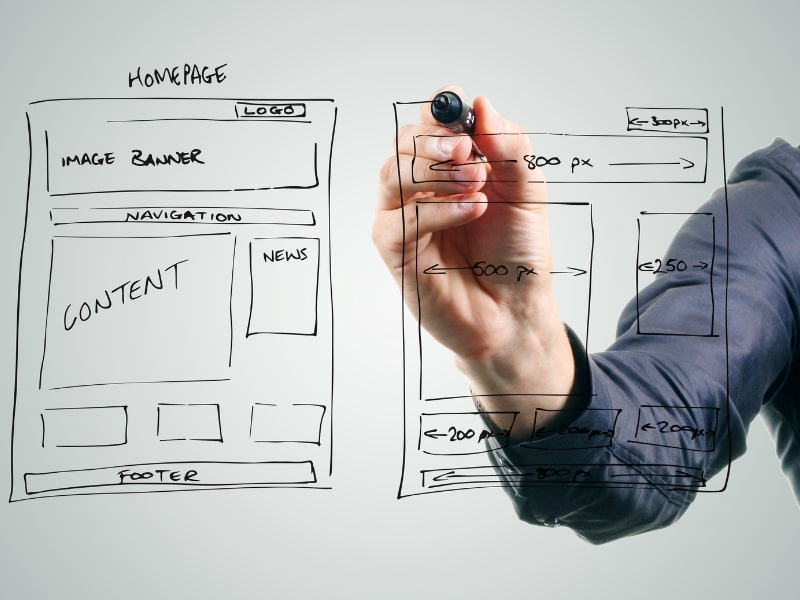
- Layouts tailored to different screen sizes ensure that navigation menus and buttons remain easy to tap on phones.
- Fonts and images scale properly so content remains readable without zooming or awkward scroll behaviour.
- Custom-built responsive design avoids unpredictable shifts when resizing, delivering a consistent user experience on all devices.
- Page elements reorder intelligently — for example, stacking content vertically on mobile for easier browsing.
- Mobile optimisations often reduce data load and improve performance, which speeds up interaction and lowers bounce.
If you want your site to perform well on all devices, it’s worth understanding responsive design choices so that you can avoid the pitfalls of one-size-fits-all layouts.
Which design features in custom website development influence conversion rates?
Custom design features — such as clear layout, strong calls to action, and fast performance — play a decisive role in converting visitors. This section highlights key elements to prioritise in a custom site. Here are the important design features and how they influence conversions:
| Feature | Benefit for conversions |
| Optimised page load (compressed images, clean code) | Reduces wait time, keeps users engaged and lowers bounce risk |
| Clear visual hierarchy & layout | Guides users’ eyes to offers and calls to action naturally |
| Responsive design across devices | Ensures everyone sees content correctly, boosting conversions from mobile users |
| Custom branding & trust signals | Builds credibility, encouraging visitors to trust and convert |
| Easy navigation and clear menus | Helps visitors find what they need quickly, reducing frustration |
| Accessible design (readable fonts, contrast, usability) | Improves user experience for all, including older or differently-abled visitors |
Here is how these features translate into real benefits:
- Clean code and optimised assets help deliver content swiftly, making the user experience noticeably smoother.
- A thoughtful visual layout removes distractions, so visitors focus on key offers or buttons.
- Responsive design ensures forms and buttons work on any device — vital when many visitors use phones.
- Branding tweaks and trust markers (testimonials, professional styling) encourage confidence and action.
- Intuitive navigation keeps visitors exploring rather than abandoning — which means more chances to convert.
Modern best practices are often shaped by core training frameworks, like how to develop a website from start to finish, which set the technical foundation for scalable, conversion-focused design.
Final thoughts on using custom builds to increase conversions
Custom website development delivers a tailored foundation that improves usability, performance and brand impression. By eliminating generic weaknesses and embracing design aligned with user needs, you offer visitors a seamless experience that encourages trust and engagement. Quality design is more than aesthetics — it’s a strategic tool to support your business goals. If you’d like further help building a site that attracts and converts, reach out for guidance from Nifty Websites Australia.